



When it comes to saying goodbye to a beloved pet, there is rarely a perfect time. Throughout my career, I’ve watched countless owners struggle with uncertainty and guilt when faced with euthanasia. That indecision often lies at the crossroads of love, hope, sadness and a deep desire to safeguard our pets from suffering.
Next month marks one year since the passing of my beloved old man cat, Tino. And to paraphrase Jane Austen; if I loved him less, I might be able to talk about it more.
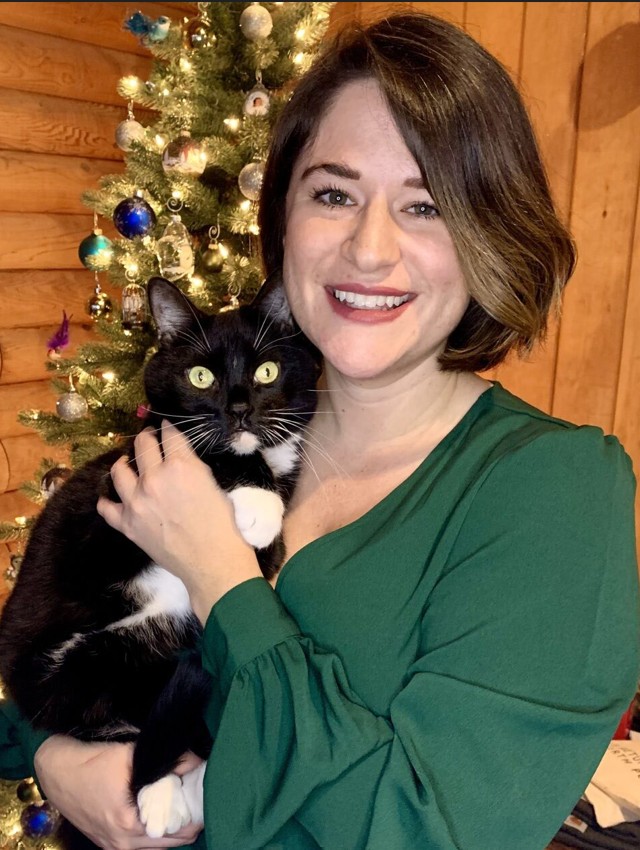
It’s only now, with the clarity that only time can provide, I can say for certain that there is something to be said about a good last day.
“How will I know when it’s time?”
I wish I could give you an easy, one-size-fits-all, “here is the line in the sand” answer to this frequently asked question. But the truth is that the most common answer is far from simple. Determining your pet’s quality of life can be helpful when making end-of-life decisions, but QOL is subjective and it isn’t unusual for opinions to vary between members of the same household or family. It is also important to consider how these opinions can be influenced by each person’s anticipatory grief process.
It can be helpful to seek another perspective from someone you and your family trusts, who knows your pet but may see them less frequently. Signs of gradual health decline (like changes in mobility and comfort) may be more obvious to someone who doesn’t see your pet every day like you do.
Trusted members of your veterinary team can also be of assistance by offering an honest medical perspective of your pet’s condition, level of comfort, treatment options and prognosis. While we can’t make the decision for you, we can provide critical information that can help you make an informed decision.
Tino came into my life as a four and half month old kitten. He had been picked up by the SPCA and brought to my former clinic with what we later determined was a dislocated shoulder and a broken front leg. I fostered him after his neuter and leg amputation, and the rest is history.
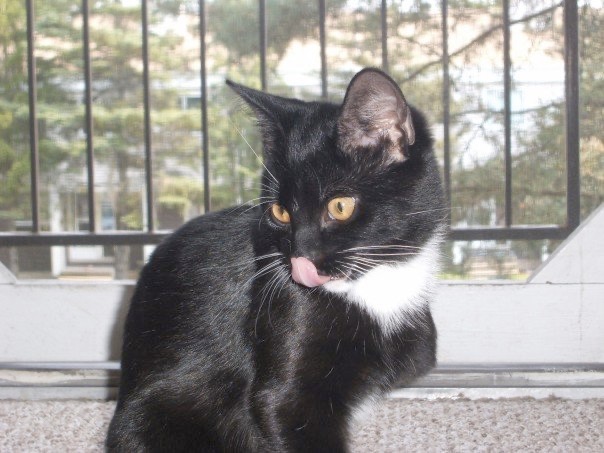
He was a bit of a lemon (health wise) but thanks to the help of my former and current colleagues (and friends), I was able to manage his varied medical conditions confidently for most of his life. We had several scares over the years but for a lean, three-legged cat of advanced age, who lacked any real sense of self-preservation, he always managed to bounce back. During those times, I relied heavily on the parts of his personality that made him who he was.
From the very first day I met him, he was a chatty cat. If you talked to him or he thought you were talking to him or he thought you should be talking to him; he would happily talk back.
He loved his name. It didn’t matter if you whispered it or yelled it, he adored hearing you say it anyway. If I called him, he never once missed an opportunity to follow my voice and come find me wherever I was in the house.

He was the household greeter and made it his goal in life to make sure everyone saw him first when they came home at the end of the day or if someone dropped by for a visit.
And lastly, if CATSA had ever considered hiring actual cats, he would have been a perfect candidate for the job. There wasn’t a single purse, package, backpack or bag of groceries that went unchecked in the eighteen years we lived together.
When these unique, easy to love, utterly golden facets of his personality began to dim, in conjunction with the clinical presentations of a life well-lived, I knew the time had come.
Every pet enjoys life a little differently, however there are physical symptoms that do constitute a deteriorating or poor quality of life, irrespective of those golden facets or other elements. Symptoms like unrelenting pain or discomfort (inability to stand or falling over), trouble breathing, refusal to eat or drink, frequent soiling of themselves where they lie or behavioural changes like disorientation, hiding and pacing, should carry significant weight when considering whether or not the time has come.
It is a very small number of our pets that endure a calm, peaceful death without our intervention and the experience is often distressing for owners, as well as the pet. While it may seem unorthodox to schedule an appointment for the end of your pet’s life, it is important to remember that unlike humans, animals live in the present moment. They don’t know a choice is being made, they only know how they feel right now. Euthanasia allows your pet to come to the end of their life with dignity and solace. Waiting can feel like loving, but I’m here to tell you that comfort and a gentle farewell is loving too.
Tino and I spent his last day together at home. In his younger years, he was responsible not just for his own grooming but for the grooming of his three siblings as well (his choice). On this day, the girls each took turns grooming him and having one last catnap together. His appetite had sharply declined but today he gobbled down a small bit of each of his favourites; chicken, tuna and ice cream. I took videos as he enjoyed these last treats and more than six months later, I smiled at his excitement, enjoyment and happiness. As I said, there really is something to be said about a good last day.
The love you shared with your pet doesn’t need validation from anyone else to be real, and it doesn’t need to stop the day their heart does. If you’re wondering if the pain of losing a pet “counts” or if you are entitled to your grief; it does and you are.
If your grief feels overwhelming or you feel unable to heal from the scope of your loss, there are supports available. Tender Tails is a compassionate support program specializing in pet loss grief counselling, located here in Atlantic Canada.

Tender Tails founder, Kathleen Dunbar, holds a MSW, is a Registered Social Worker – Clinical Specialist with nearly thirty years experience in Mental Health and a Registered Veterinary Technician (RVT) with nearly twenty years experience in the veterinary industry. She is also a cherished friend. Kathleen has virtual and in-person appointments available (through Carnegy Animal Hospital, located in Halifax, Nova Scotia), and direct billing is available through most insurance providers.
For more information, you can follow the Tender Tails Facebook Page or access their website here.
“Reaching out doesn’t mean something is wrong with you. It means your bond was meaningful- and your grief deserves support.”