


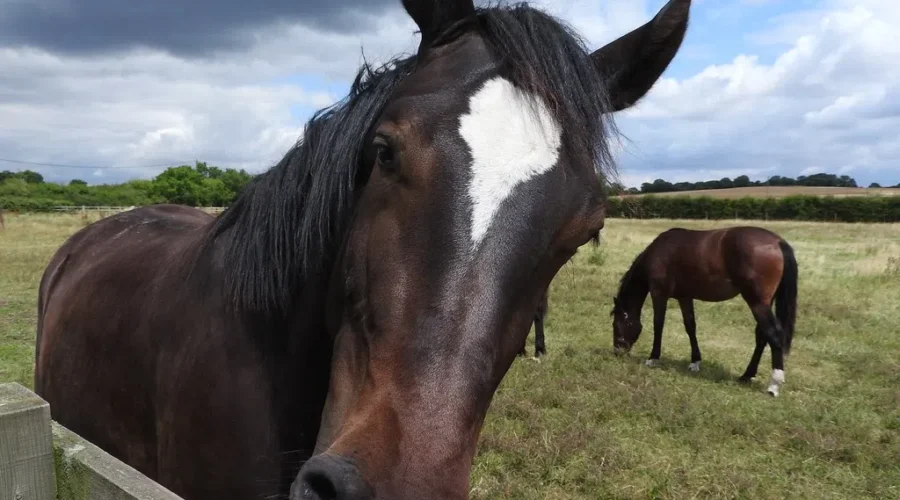
The president of a society that helps cover hefty fees on a type of therapy that uses horses, is reaching out to the public to help them stay afloat.
Equine Assisted Services is for those who are battling with various disabilities including developmental, communicative, emotional regulation and addiction.
Avery Nagy-MacArthur, with the Society for Equine Assisted Services Nova Scotia says due to high costs, their organization subsidizes clients. However, if they don’t get the funding they need, many won’t be able to participate.
“Our concern is that in order to be able to persist as an organization, we might have to pause providing that subsidy,” explains Nagy-MacArthur.
Prices rising
Equine Assisted Services offers mentorship throughout Nova Scotia but mainly works with Hinchinbrook Farm, in Brookfield.
That specific location has been operating since 2012. Most of their clients are children but they have branched out to adults as well, including a new program in September to help those struggling with mental health and addition.
And it is pricey.
According to Nagy-MacArthur, nailing down grant funding has been challenging, in addition to getting enough donations to keep services available, with costs that continue to rise.
“Riding lessons [at Hinchinbrook Farm] for example, run about $150 an hour. We, in the past have subsidized 50 per cent of that cost,” says Nagy-MacArthur. “Earlier this spring, we actually had to reduce that to only 20 per cent.”
She says if they can’t continue to help offset the cost, families will have to pay full price or reconsider whether they can take part.
“[That] obviously has a really negative impact.”
Why horses?
Horses are not only social but are also really soothing and sensitive, according to Nagy-MacArthur.
“They can often detect and tell us about a person’s emotional state often better than other humans can,” explains Nagy-MacArthur.
She says that horses are also non-judgmental and can help build trust.
“You can just be yourself. Show up as you are on that day with whatever challenges you’re currently working through,” says Nagy-MacArthur. “Building that relationship with the horse. Developing all the skills you learn through that.”
Fundraising
Nagy-MacArthur says popularity for equine therapy has grown and they receive a lot of positive feedback.
To maintain future programming, she says, they will keep looking for provincial grant opportunities but are also asking for assistance from community members.
“We’re hoping to hold various events and fundraisers throughout the year,” adds Nagy-MacArthur. “We want to be able to continue doing this work. It really matters to us. We think it matters to the community too.”
She stresses just how valuable and effective these services are, with only a handful
“We’d really like to see people step up and help support us so we can continue doing this work.”
To help, you can go to their Facebook page, their website or CanadaHelps.org.