


I’m pretty excited about this new little adventure, sharing stories about local food, local producers, and the incredible ingredients we’re lucky to have right here in our own backyard. If you know me at all, you know I’m always championing what’s local, what’s seasonal, and what makes our region special. So having a place to chat about all of that with you feels like the perfect fit.
And since spring is just around the corner, there’s only one place to start.
Maple.
Around the Maritimes, maple season is practically its own holiday. The moment the days creep above freezing while the nights stay cold, something magical starts happening inside maple trees. Sap begins to flow, buckets appear in sugar woods, and sugar shacks fire up their evaporators. The air fills with sweet steam, and suddenly everyone’s thinking about pancakes.
But maple syrup is much more than breakfast fuel. It’s a fascinating process that turns something very simple into something extraordinary. It takes about 40 litres of sap to produce just one litre of maple syrup, which means every bottle represents a lot of patient boiling and careful watching.
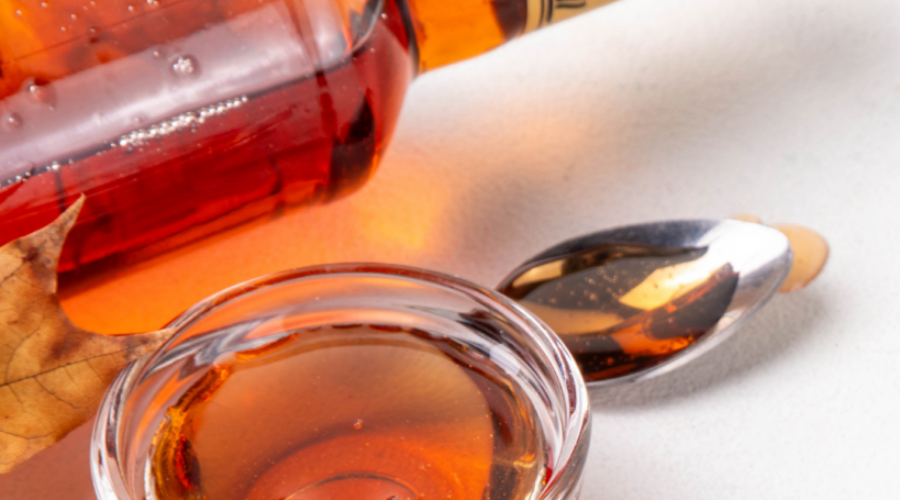
And here’s a cool little tidbit: maple syrup doesn’t all taste the same. It’s graded by colour and flavour. Golden syrup is light and delicate, Amber is rich and balanced, Dark has deeper caramel notes, and the boldest grade, sometimes called Very Dark or Robust, is fantastic for cooking and baking.
What many people don’t realize is that maple syrup production in Canada has roots going back centuries. Indigenous communities were the first to discover the sweetness of maple sap and developed the early techniques for harvesting and concentrating it. Today’s producers still follow those same seasonal rhythms just with a bit more stainless steel and modern equipment.
Right here in Nova Scotia and across the Maritimes, we have a growing community of maple producers who are tapping trees and keeping that tradition alive. Small sugar camps tucked into hardwood forests are turning out beautiful syrup every spring, and it’s one of the most local ingredients you can put on your table.
Of course, maple syrup isn’t just for pancakes (although I’ll never argue with a good stack). In my kitchen, maple sneaks into all kinds of dishes. A splash in a vinaigrette adds balance to a salad. It makes a fantastic glaze for salmon or pork. A drizzle over roasted carrots or squash brings out their natural sweetness. And if you’ve never stirred a little maple syrup into your morning coffee or oatmeal, you’re missing out.
Here’s another fun fact: Canada produces about 70% of the world’s maple syrup, and while Quebec gets most of the attention, small producers throughout Atlantic Canada are crafting incredible syrup worth seeking out.
That’s really what this space is all about, celebrating those local ingredients and the people behind them.
So consider this your invitation to explore maple season. Visit a sugar camp if you can. Pick up a bottle from a local producer. Try cooking with it in a new way.
And if you’ve got a favourite maple recipe or kitchen trick, send it my way. This column, let’s call it “Tales From The Kilted Kitchen”, is going to be all about sharing ideas, stories, and flavours from around our region.
Now if you’ll excuse me, I think I hear pancakes calling.