

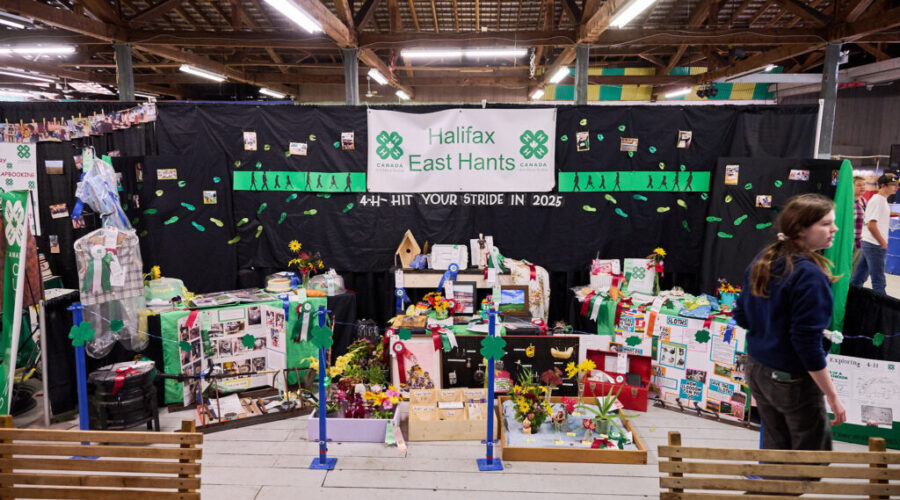
The first step in beginning your 4-H year is choosing a project. 4-H projects are the main focus for the member for the year, they learn new skills, create meaningful work and visit new places with friends. Members are able to sign up for as many projects as they wish. When selecting a project members should consider their interests, hobbies, and any activities or topics that have sparked their curiosity.
There are many projects available to 4-H members; they are commonly divided into two categories: Life Skills and Livestock.
Members may also choose to complete a Non-Recognized project, meaning that even if a project is not listed on the 4-H NS Project List, it can still be completed under this category. Example of Non-Recognized projects include: Archery, Bee Keeping, Oxen and Pigeon.
Each project consists of numerous “units” that a member may take. Some are progressive in nature; others are specific to the animal or skill being learned. The variety of units means there’s lots to learn and lots of challenge for both younger and older members. As part of each project, 4-H members keep records of their work throughout the year.
Life Skills:
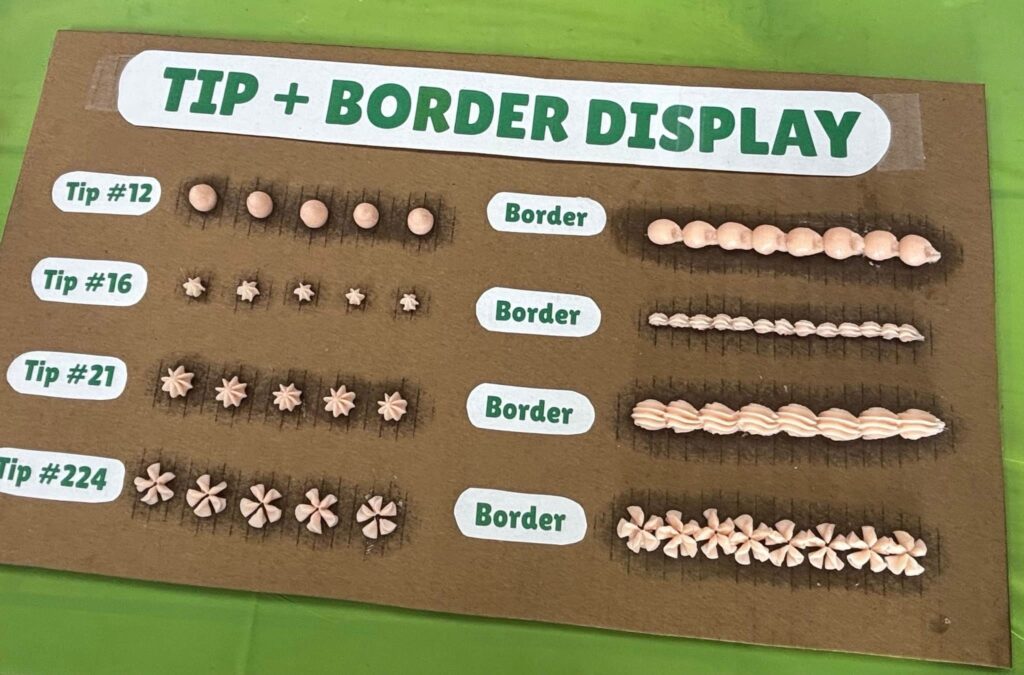
Life Skills projects range from Cake Decorating to Gardening to Welding. In Nova Scotia, some of the most popular Life Skills projects are Crafts and Foods.
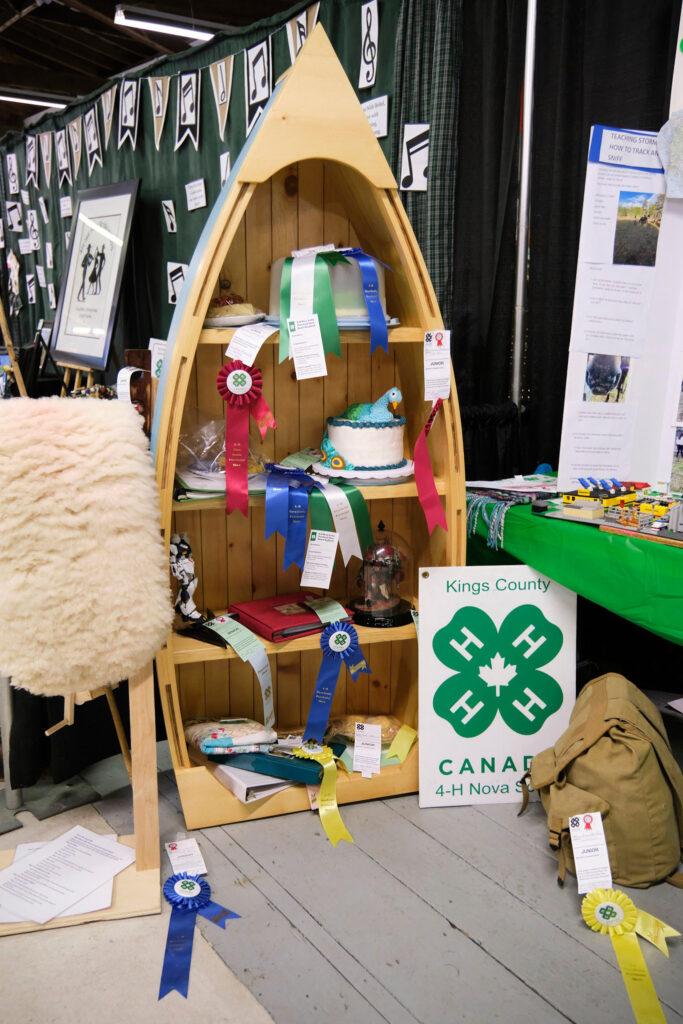
The Crafts project provides a wonderful opportunity for member to appreciate a wide variety of techniques and skills to creatively express themselves. Each year, members will present three completed items that are selected from 18 different sections. Wood crafts, nature crafts, needlework, tole painting, hooking, art and drawing, pottery and toys are a sample of items in this class.
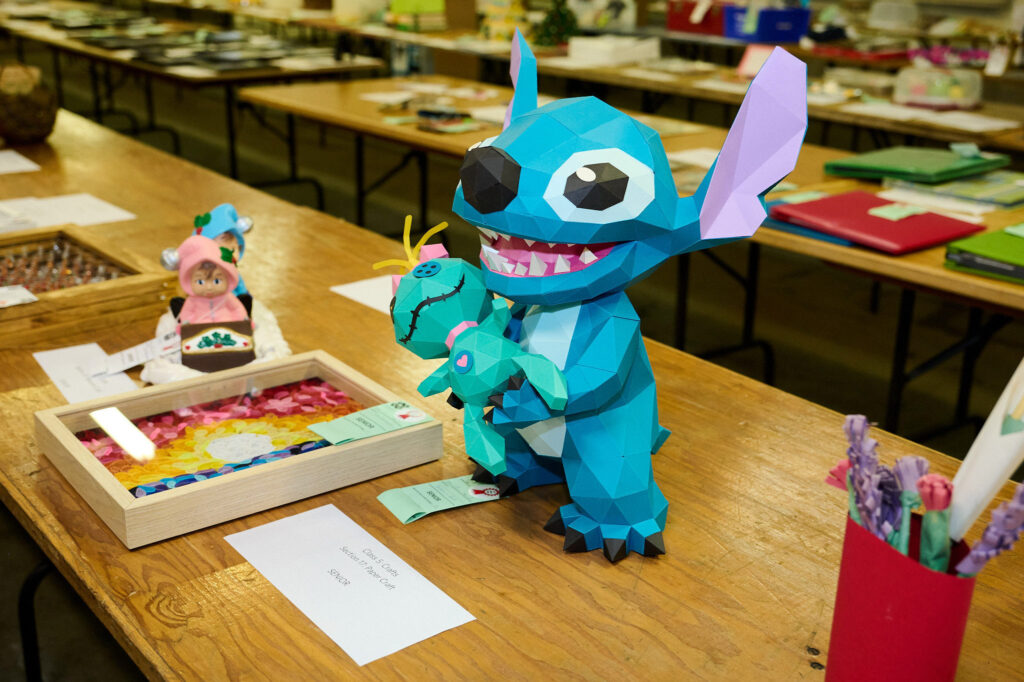
In many cases, leaders will work with specific techniques with the group, but members are also encouraged to explore their interests based on age and ability.
Livestock:
Livestock projects include Dairy, Poultry, Sheep, Light Horse and more. Popular Livestock projects in Nova Scotia include Beef, Dairy and Rabbit.
In the Beef Project, members learn how to groom, care for and show a beef animal. To meet Achievement Day requirements at Club level, the member must show their registered 4-H Calf in a Showmanship class.
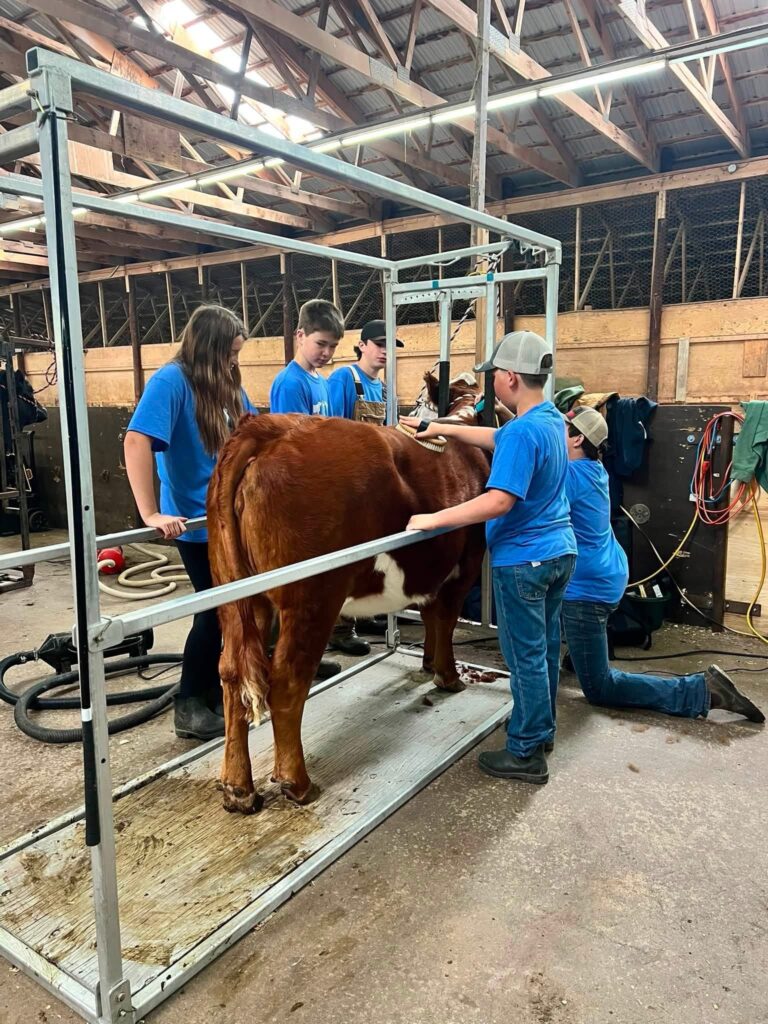
When the members move on to compete at the County level, conformation classes are also held based on breed and age categories. Leaders guide members through a variety of topics such as selecting an animal, care and management, nutrition, judging, and building showmanship skills. These experiences highlight how taking the Beef project helps members develop valuable skills in the 4-H program.
For a full list of 4-H projects, visit our website: Projects & Competitions – 4-H Nova Scotia