

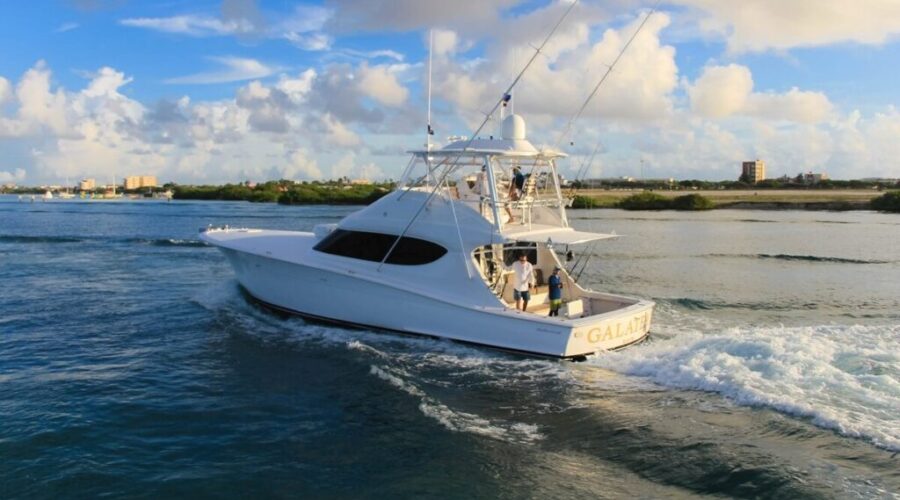
A marine safety investigator is urging people to plan before heading out on the water, after two fatal boating incidents in Nova Scotia this week claimed three lives.
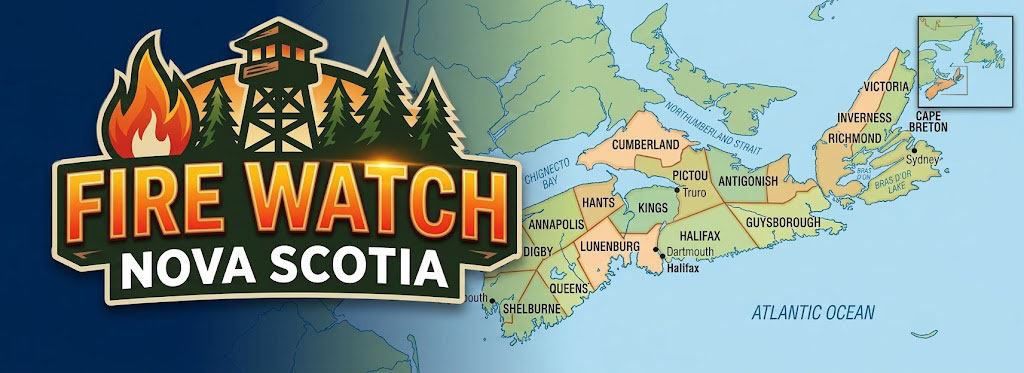
In Cumberland County, a 24-year-old Wallace man died after being thrown from a boat in the Northumberland Strait.
RCMP say five people were on board when the boat ran aground near Oak Island, off the shore of Wallace Bay, Tuesday night.
The man was taken to the wharf in Wallace, where he was pronounced dead.
Police say the 19-year-old man operating the boat was arrested and later released while the investigation continues.
In Kings County, RCMP say two men died after they were ejected from a boat on Aylesford Lake on Canada Day.
Étienne Seguin-Bertrand, a senior marine investigator with the Transportation Safety Board of Canada, says pleasure boating can be fun, but it also comes with risk.
“People need to be prepared,” he said.
Seguin-Bertrand says that starts before leaving shore.
He says boaters should check marine charts to understand where rocks, channels, shallow areas and other hazards may be.
They should also check the forecast, not just the conditions at the time they leave.
“You want to have a plan,” he said. “So what do I do if a thunderstorm shows up?”
That could mean knowing whether to head home, wait it out in a bay or take another safe option.
“It requires just a little bit of thinking in preparation before you set off on your trip, but it’s going to keep you a lot safer at the end of the day,” Seguin-Bertrand said.
He says conditions on the water can change quickly, including wind, waves, tides and currents.
Tides can affect the depth of the water, how much clearance a boat has over rocks or sandbars, and how currents move a vessel.
Seguin-Bertrand says boaters should also leave themselves a margin for error.
He says if a chart shows there should be 10 feet of water, but a depth sounder shows only six feet, that is a sign to slow down and figure out what is happening.
“If you’re going slow, if you do hit something, there’s going to be less damage, less chance of injuries,” he said.
He says anyone operating a pleasure craft in Canada needs a pleasure craft operator card, but he recommends going beyond the minimum training when using larger, faster or more complicated boats.
In an emergency, Seguin-Bertrand says 911 is always an option.
Boaters with a VHF radio can also call the Coast Guard on channel 16.
He says people with a cell phone can dial star-16 to reach the local Coast Guard station.
For those going farther from shore, he says personal locator beacons can also be useful because they send a satellite signal with the boater’s location and do not depend on cell service.