

The Whale Sanctuary Project has started land-based construction on its planned ocean sanctuary in Nova Scotia.
CEO Charles Vinick says crews broke ground Friday on the land side of the project, marking a major step for the sanctuary after years of planning and approvals.
“We broke ground this past Friday on the land side of the sanctuary,” Vinick said.
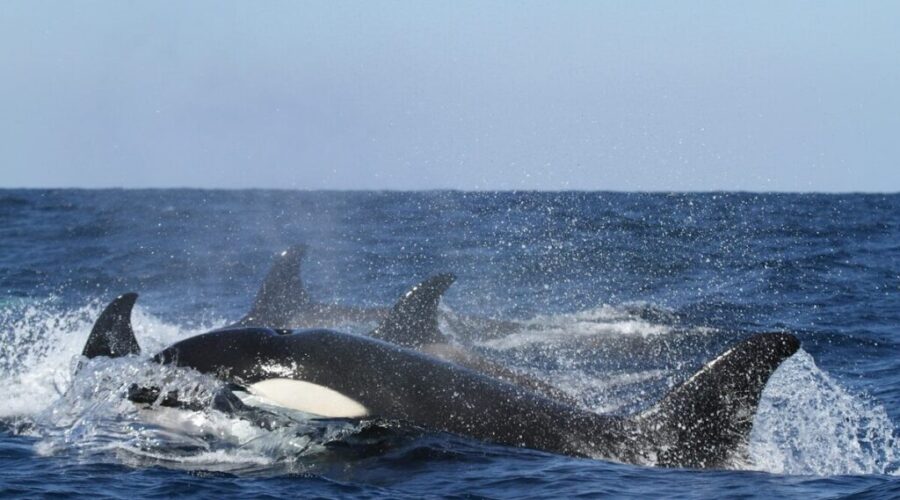
The project is designed to create a natural ocean home for whales that have been kept in captivity, mainly orcas and belugas from marine parks.
“We’re creating the first sanctuary for whales that have been in captivity,” Vinick said.
He says the goal is to give whales that cannot return to the wild a more natural place to live than a concrete tank.
The land side of the project includes 30 acres of private land where the organization plans to build its veterinary suite, animal care facilities, marine operations, security, research and administration spaces.
That land sits next to about 80 hectares, or nearly 200 acres, of water space under a Crown lands lease.
Vinick says the water side will include a large netted enclosure and bay pen.
“We’re enclosing 100 acres of water space,” he said. “That’s more than a mile of net.”
He says both the land and water portions of the project are complex.
The next steps include installing electrical service, drilling wells for potable water, and refurbishing the wharf.
Vinick says the wharf work is important because it will be used as the staging area for the in-water construction, including the nets and bay pen.
“The wharf refurbishment has to be the first step,” he said.
Vinick says the project has gone through provincial and federal approval processes since the site was announced in 2020.
He says the organization does not see any major regulatory hurdles ahead, although more work remains.
“We’ve met all the requirements and we look forward to welcoming our first whales in 2027,” he said.
The sanctuary will still need approval from the Department of Fisheries and Oceans for each individual whale brought into Canada.
Vinick says that includes health evaluations and information about the animal’s history.
The group has been watching the future of two orcas, Wikie and Keijo, currently connected to a closed marine park in France. Vinick says the French government has approved a plan from the owners to send them to a marine park in Spain, but he understands Spain has not yet approved that transfer.
He says the project is also in discussions about belugas in South Korea and continues to look at whether it could help belugas at Marineland in Ontario.
When fully operating, Vinick says the sanctuary is expected to care for about eight whales, though it may be able to support as many as 10.
He says the sanctuary is not meant as a temporary stop before release into the wild.
“These are not whales that, in the main, can be released back into the wild to live on their own,” Vinick said. “Really this is about caring for them for their lives, with the dignity they deserve.”
The project is being funded through donations and philanthropic support.
Vinick says fundraising remains ongoing as construction moves ahead.