


In recent years, our province has experienced several extreme weather related events including drought, wildfires, hurricanes and flooding. Expecting the unexpected and having an evacuation plan ready for you and your pets means less stress, difficulty and worry in the event of a natural disaster or emergency.
Make a Plan
Check to make sure that the information associated with your pet’s microchip and/or ID tags is accurate and up-to-date. In the case of physical tags, ensure the information is clear and legible.
Have a sturdy crate, carrier, leash and/or harness available for each pet. Inspect for any damage or wear and replace as necessary. In the event of an evacuation, ensure these items are out of storage and available for loading and safe transport.
Practice evacuating with your pets, ensuring they can comfortably enter carriers, crates or vehicles.
Make copies of your pet’s records including vaccination history, medical record and microchip information and proof of registration (where applicable).
In addition to your pet’s documentation, keep a hardcopy record of important contacts including pet-friendly hotels, animal shelters, veterinary clinics and family/friends incase of cellular and/or power outages.

Prepare a Pet Emergency Kit
Food and water: Pack a (minimum) 72-hour supply of food and water for each pet in airtight, waterproof containers. (4L/day per average dog, 1L/day per average cat) Consider adding canned food for added hydration or when water availability may be limited. Be sure to include food and water bowls (and don’t forget the can opener!)
Medications: Include all necessary medications, along with label and/or instructions for dosing.
Pet First Aid Kit: Ready made pet first aid kits are available online and in-stores. If you are assembling your own, be sure to include: Bandage material (self-adhering bandage, gauze and tape), blunt-tipped scissors, tweezers and gloves.
Sanitation Materials: Litter box with extra litter, waste bags and cleaning supplies, don’t forget the paper towel!
Documentation: Pet Records and contact information (listed above)
Comfort items: Whenever possible, pack familiar toys, blankets and bedding to reduce stress.
In the unfortunate event that you are unable to evacuate your pet, allow them full access to the home’s interior. Leave a sign in the window or a note on the door indicating what animals are inside. Provide lots of food and water and leave toilet seats up.

For horse owners
Having an emergency kit ready and evacuating early is the best approach for preventing horse injuries in an emergency or disaster. If early evacuation is not possible, outdoor turnout often increases horses’ chances of survival.
In addition to permanent identification (brands, tattoos or microchips), visible identification with notes about a specific horse and owner contact information can be added to emergency tags and braided into the horses’ mane or written directly on the horse in waterproof paint.
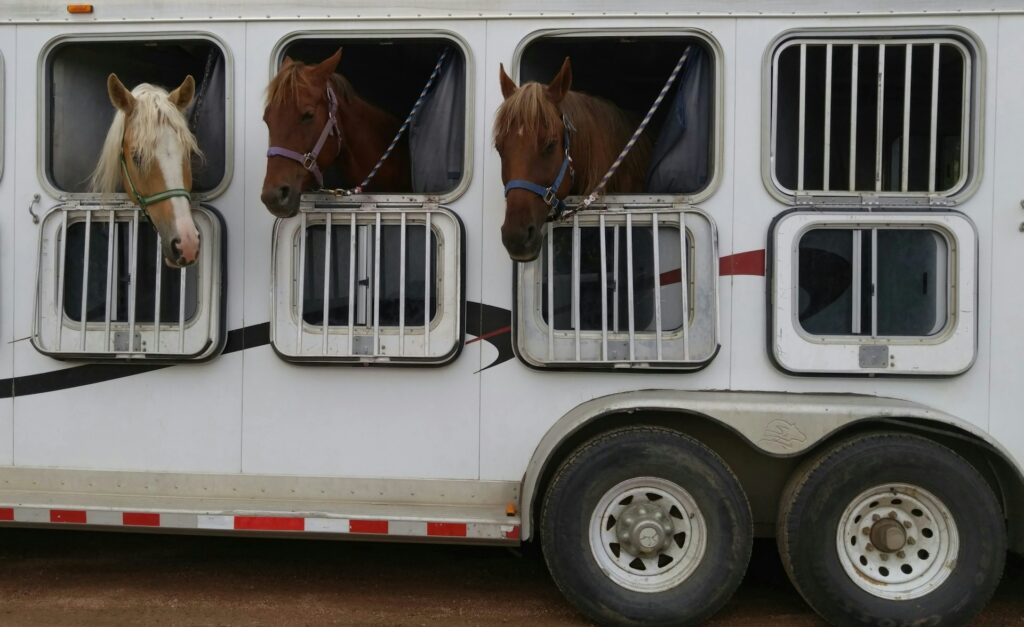
Be sure to regularly inspect truck and trailer equipment like lights, brakes, tires and hitch connections, to ensure proper working order. If your horse doesn’t regularly travel, practice loading and unloading at least three times per year.
For more information and courses on equine emergency preparedness, visit The Horse Portal hosted by the University of Guelph. They offer a ‘Fire and Emergency Preparedness’ course intended for horse owners, trainers, racetrack personnel and facility owners. It’s available online this fall and can be done at your own pace. Discounts available to members of national and provincial equine organizations including the Canadian Therapeutic Riding Association, Standardbred Canada and Equestrian Nova Scotia.
https://thehorseportal.ca/course/fire-and-emergency-preparedness-fall-25
There is no substitute for a planned and practiced evacuation plan. By taking these steps, you can ensure a smoother evacuation process and significantly improve your pet’s safety in the event of an environmental emergency.