



It’s estimated that up to 10% of cats will develop litter box avoidance issues at some point in their lifetime. The first step for pet owners will always be to book an appointment with your veterinarian to rule out the possibility of an underlying medical issue. Urinary tract infections or crystals, diabetes, kidney disease, arthritis and more, can lead to increased pain, urgency and reduced mobility. All of which may affect your cat’s ability to access their litter box.
Stress and other behavioural issues can also be a contributing factor. If your normally fastidious feline is suddenly giving their litter box the stink eye, it is important to first discuss it with your veterinary team.
Once your cat is medically cleared, the next step is to examine the litter box arrangement in your home. That’s where I come in!
As a veterinary professional and a veteran multi-cat owner (like potato chips, I can never have just one), here are my top recommendations for making sure your cat really digs their litter box.
Scoop, there it is!
You’re probably not going to like it so I’m going to virtually hold your hands while I say this: You need to scoop the litter box every day. Not three times a week. Not every other day. Every single day. Twice a day is even better.
I have three cats and my current set-up takes me less than 3 minutes (yes, I’ve timed it) which is less time than it takes me to make my morning coffee. If I can do it every day, you can too. I believe in you!
As with most unpleasant household tasks, the right tool can make all the difference. Swap out the cheap plastic scooper for one made of non-stick aluminum or stainless steel with a reinforced rubber handle. The sturdy design increases efficiency and will last much longer too.
These scoops retail between $10-$20 (mine came from Amazon) and I speak from experience when I say these are a game changer.

In addition to daily scooping, you should also refresh the litter and deep clean the boxes themselves regularly. In the warmer months, I like to empty them, take them outside, hose them down and give them a good scrub using a brush and a mild, unscented or lightly scented dish soap. Rinse well and let the sun do the rest.
One is the loneliest number
If you have more than one cat, you need more than one litter box. The ideal number of litter boxes for a multi-cat household is: one per cat, plus one additional. If you have two cats, you should have three litter boxes. For three cats, four litter boxes and so on.
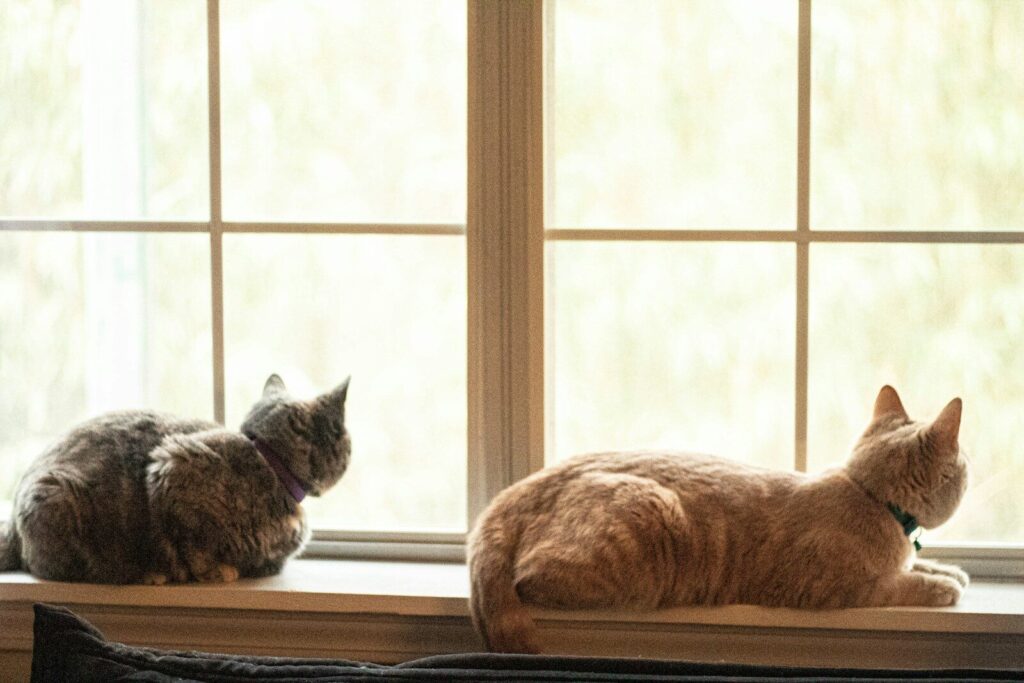
Cats are ambush hunters, even when they may only be hunting their housemates. This type of behaviour in or around the areas of the litter boxes can lead to increased levels of anxiety which then increases the likelihood of stress-induced litter box avoidance. By having a litter box for each cat, plus one additional, you limit the opportunities for territorial or play aggression as well as resource guarding.
Oh, the places (your cat) will go!
As with real estate, for some cats it’s all about location, location, location.
The perfect placement can vary based on your cat’s personality, age and health status. If your cat is timid or shy, they will likely value privacy over convenience. Lower traffic areas that offer more seclusion like a basement or spare room may be ideal.
For young kittens, senior cats or cats with mobility issues, focus on the areas of your home where your cat spends the most time. A nearby bathroom or closet is likely the most convenient and will offer the quickest access when they feel the need to go.
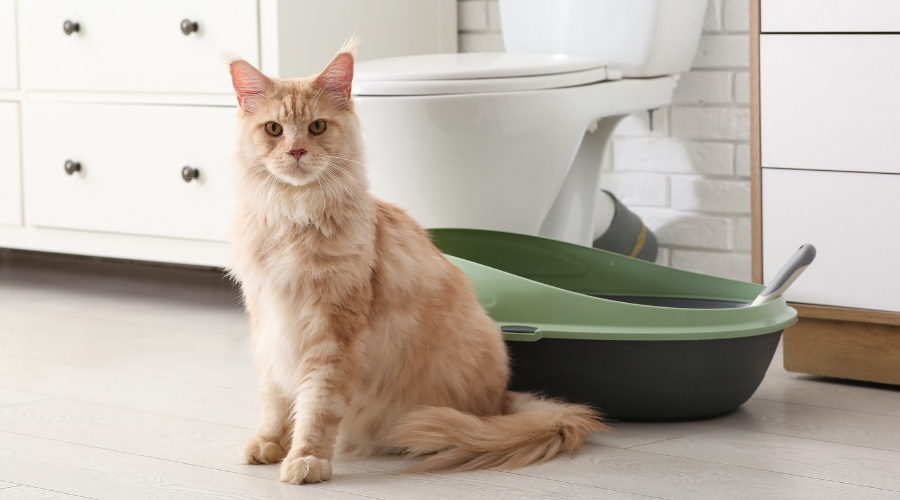
For the multi-cat, multi-box households, scatter them throughout your home to reduce the likelihood and opportunities for the aforementioned cat-on-cat ambushes.
Size matters
Many “standard” size litter boxes on the market today are too small for large or even average sized felines. If you are thinking about an upgrade for your cat, don’t be afraid to think outside the box (see what I did there?).
Consider purchasing an under-the-bed type plastic container which are available in a variety of sizes. Look for one approximately 1.5 times the estimated length of your cat (from nose to the base of the tail).
Disclaimer: Depending on the size and brand, some of these type storage containers have small wheels on the bottom. In my experience, the weight of the litter (combined with placing the box in a corner) does not allow for rolling or movement while the box is in use. However, if you have concerns about stability, try blocking the wheels or removing them completely.
Raise the roof?
Official studies suggest that most cats don’t have a preference when it comes to covered vs uncovered (or open) litter boxes. Covered litter boxes provide more privacy and are usually more aesthetically pleasing to owners. However, they also have a higher entry point (making it more difficult for cats with mobility issues), less air flow and limited options when it comes to proper sizing.
Open litter boxes are generally lower entry, offer better ventilation, visibility and size options. Once again, it’s important to consider your own cat’s health and lifestyle.
What’s new pussycat?
More often than not, cats that are avoiding the litter box are trying to tell us something. It’s up to us to listen.
It may be that they don’t feel well, that they are stressed or they aren’t responding well to a new or sudden change. Identifying and addressing the underlying issue is the best way to get your cat back on track and back in the box.